Tap Basics

How Municipal Water Systems Work: From Source to Your Home
The water that flows from your tap takes a fascinating journey before it reaches your glass, and understanding that journey can help you make sense of the changes you sometimes notice. Municipal water systems are designed to provide safe, clean water to millions of homes, but the process is more complex than most people realize. It all starts at the source — typically a river, lake, reservoir, or underground aquifer. Each source has its own characteristics, like mineral content and naturally occurring particles, which can influence taste and appearance.
Once water is drawn from its source, it goes to a treatment plant. Here, water is filtered to remove sediments, disinfected to kill harmful bacteria and viruses, and sometimes treated chemically to adjust pH or reduce minerals. These steps ensure that the water meets strict safety standards before it ever leaves the plant. Modern treatment plants monitor water quality continuously, adjusting processes as needed to maintain both safety and taste.
After treatment, the water enters the distribution system — a network of pipes, pumps, and storage tanks that deliver water across the city. Some neighborhoods are closer to the treatment plant, while others are served by elevated tanks or booster pumps to maintain pressure. Along the way, water may pass through old or new pipes, sometimes picking up tiny traces of minerals or air bubbles, which can affect taste, color, or clarity.
Finally, water enters your household plumbing, where additional factors come into play. The material and age of your home’s pipes, your water heater, and even fixtures like faucets and aerators can subtly influence the water you drink. That’s why two houses on the same street may experience slightly different water characteristics, even though they are fed from the same municipal system.
Understanding this journey helps homeowners and renters realize that most changes in taste, color, or pressure are normal. It also highlights why maintaining your plumbing and staying aware of city maintenance updates can make a real difference in the quality of your tap water. When homeowners want to better understand what may be affecting their water, Municipal water testing in Manhattan can provide another way to investigate water quality. Municipal water systems are built to be safe and reliable, but knowing how they work gives you confidence and clarity about the water coming into your home.
Why Water Can Differ Across a City
Even within a single city, the water coming from your tap can vary in taste, color, or odor depending on where you live. Many people assume that all municipal water is the same, but in reality, water quality can differ from borough to borough, neighborhood to neighborhood, or even from one street to the next. These differences are influenced by the source of the water, the local distribution system, and the condition of pipes both in the streets and inside buildings.
One key factor is the source of the water. A city may rely on multiple reservoirs, rivers, or groundwater wells, each with its own mineral composition and treatment process. Some areas may receive water from a nearby reservoir, while others are supplied by wells that tap deep underground aquifers. Blending these sources is common to balance taste, safety, and supply, but it can also create slight variations in the water people notice every day.
The distribution network is another important factor. Water travels through a complex maze of mains, pumps, and storage tanks before reaching your home. Some neighborhoods are closer to treatment plants or high-capacity storage tanks, which can mean fresher water with different taste characteristics. Older pipes, smaller service lines, or areas with frequent maintenance may introduce minor changes in clarity or odor. Even pressure zones can affect how water flows, sometimes creating temporary discoloration or air bubbles.
Finally, household plumbing can affect how water tastes and looks once it reaches your tap. Buildings with older pipes or water heaters may experience slight differences compared to newer constructions, even on the same block. Fixtures, aerators, and plumbing materials can subtly alter water characteristics as well.
Understanding these variations helps residents recognize what is normal and when it may be worth investigating further. Slight differences in taste, color, or smell usually aren’t dangerous, but being aware of them gives homeowners and renters confidence and clarity. By knowing how sources, infrastructure, and local plumbing interact, you can better interpret the water coming into your home and respond appropriately when something truly unusual occurs.
Surface Water, Groundwater, and Blended Sources
Municipal water comes from different types of sources, and understanding these can help explain why water tastes, smells, or looks the way it does. The three main source types are surface water, groundwater, and blended sources, each with unique characteristics that influence water quality at your tap.
Surface water is drawn from lakes, rivers, or reservoirs. This type of water is exposed to the environment, which means it can contain natural sediments, organic material, and microorganisms. Because of this, surface water generally requires more extensive treatment, including filtration and disinfection, to meet safety standards. Seasonal changes, such as heavy rain or snowmelt, can affect the water’s taste or odor temporarily, even after treatment. For example, spring runoff may introduce minerals or organic matter that slightly alter flavor.
Groundwater comes from aquifers beneath the earth’s surface. It usually contains fewer microorganisms because it is naturally filtered through layers of soil and rock. However, groundwater often has higher levels of minerals like calcium, magnesium, or iron, which can affect hardness, taste, and color. Depending on the region, some aquifers may contain naturally occurring elements such as sulfur, which can give water a faint “rotten egg” smell. Groundwater is often more consistent in quality than surface water but can vary depending on the depth of the well and local geology.
Many cities use blended sources, combining surface water and groundwater to balance supply, taste, and chemical composition. Blending allows utilities to manage water availability year-round, respond to seasonal changes, and maintain a consistent flavor. The combination of sources also helps reduce the concentration of certain minerals or compounds, producing water that meets both safety standards and consumer preferences.
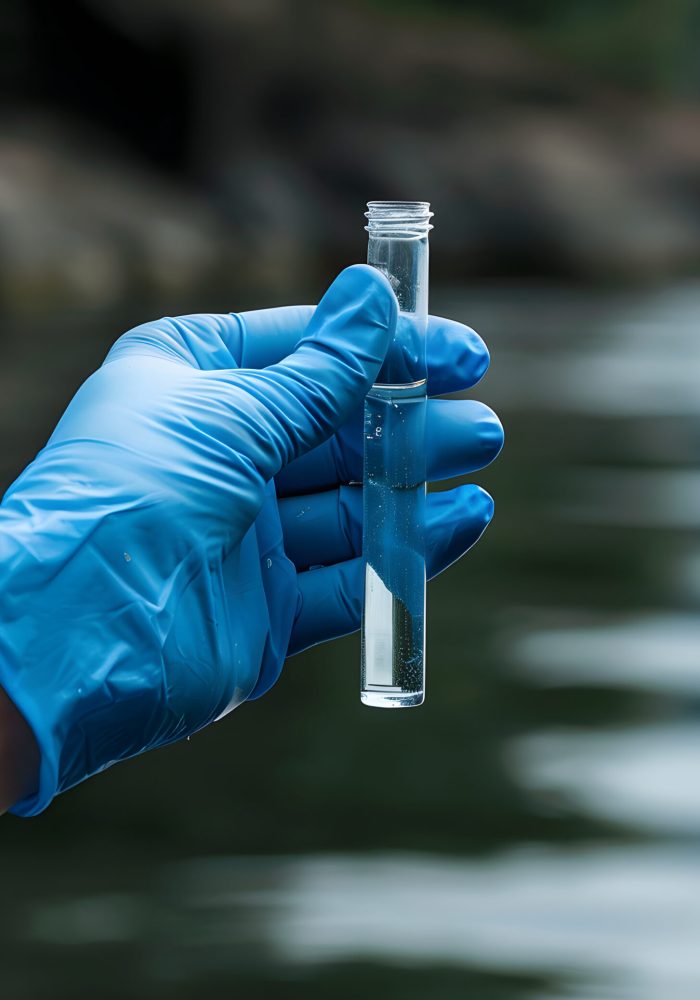
Understanding your water source helps explain why tap water may sometimes taste differently across neighborhoods or even change slightly over time. Small variations in taste, odor, or color are usually normal and safe, reflecting the natural characteristics of the source water and how it is treated. For homeowners who want to better understand the characteristics of their water, Drinking water testing in NYC can provide additional information about water quality. By knowing the difference between surface water, groundwater, and blended sources, homeowners and renters can better interpret these minor changes and gain confidence in the quality of the water they drink every day.
Why Tap Water Can Temporarily Change in Taste or Smell
It’s common to notice occasional changes in your tap water’s taste, color, or odor. While these changes can be surprising, they are usually temporary and harmless. Understanding the real-world reasons behind them can help you stay calm and know when to take action — and TapTruth explains them in plain English.
Seasonal shifts are a frequent cause. For example, during spring or after heavy rainfall, water sources like reservoirs and rivers can carry higher levels of organic material or minerals. When this water enters the treatment system, it may slightly alter the taste or smell for a short period. Utilities are aware of these seasonal effects and often adjust treatment to maintain safety, but minor changes can still be noticeable at the tap.
Reservoir turnover is another common factor. Large reservoirs naturally form layers of water with different temperatures and compositions. Periodically, these layers mix — or “turn over” — which can change mineral content and occasionally affect taste or odor. This is a natural process and rarely indicates a safety issue.
Hydrant activity and nearby pipe repairs can also cause temporary changes. When water mains are flushed or maintenance work disturbs sediments in the distribution system, small particles may reach your tap, causing cloudiness or discoloration. Similarly, construction or repairs near your home can stir up water in local pipes, resulting in brief changes in taste, odor, or even pressure.
Even routine building maintenance inside apartments or homes can affect water. Flushing systems, repairing internal pipes, or servicing water heaters may temporarily alter the way water looks, tastes, or feels. These changes typically settle within hours or a day, and the water returns to its usual quality.
Knowing these real-world causes helps homeowners and renters understand that minor fluctuations are usually normal. Paying attention to temporary changes allows you to distinguish harmless events from rare problems that may need further investigation. By understanding why tap water sometimes behaves differently, you can approach each variation with confidence rather than concern. TapTruth aims to give you the knowledge to interpret these signals, ensuring that your water remains safe, reliable, and predictable — even when it occasionally tastes, smells, or looks a little different.