The Cast-Iron Reality Under The Streets
A significant portion of the city’s infrastructure still relies on unlined cast-iron pipes installed decades ago. These pipes naturally develop a layer of sediment and oxidation over time, a process often referred to as tuberculation. Generally, this layer remains undisturbed on the inner walls of the pipe, posing no aesthetic issue to the end user. However, sudden changes in water velocity—like when a hydrant is opened for emergency use or routine testing—can shear this sediment loose. This results in the reddish-brown water that sometimes appears suddenly, affecting the visual quality of your tap water and causing concern among residents. While the Department of Environmental Protection monitors these events, the immediate solution is often as simple as running your cold water tap for several minutes to flush the localized sediment out of your building’s service line.
Jurisdictional Lines: Landlord vs City
When facing severe plumbing issues, precisely determining legal fault is paramount to securing an immediate repair. The city is typically responsible for the integrity of the water supply up to the water meter, which marks the property line. Everything beyond that meter, including the building’s internal risers, branches, and individual fixtures, is the absolute responsibility of the property owner or landlord. If you have clear water in the kitchen but brown water in the bathroom, the issue is almost certainly internal to your specific apartment’s piping. If the entire building is experiencing the same problem, your landlord should check the main riser, the roof tank, or the central hot water heater for signs of failure or sediment buildup. Understanding these boundaries ensures that you are contacting the right people and not wasting time on calls to municipal agencies for issues they cannot legally address.
Signs of Internal Pipe Corrosion
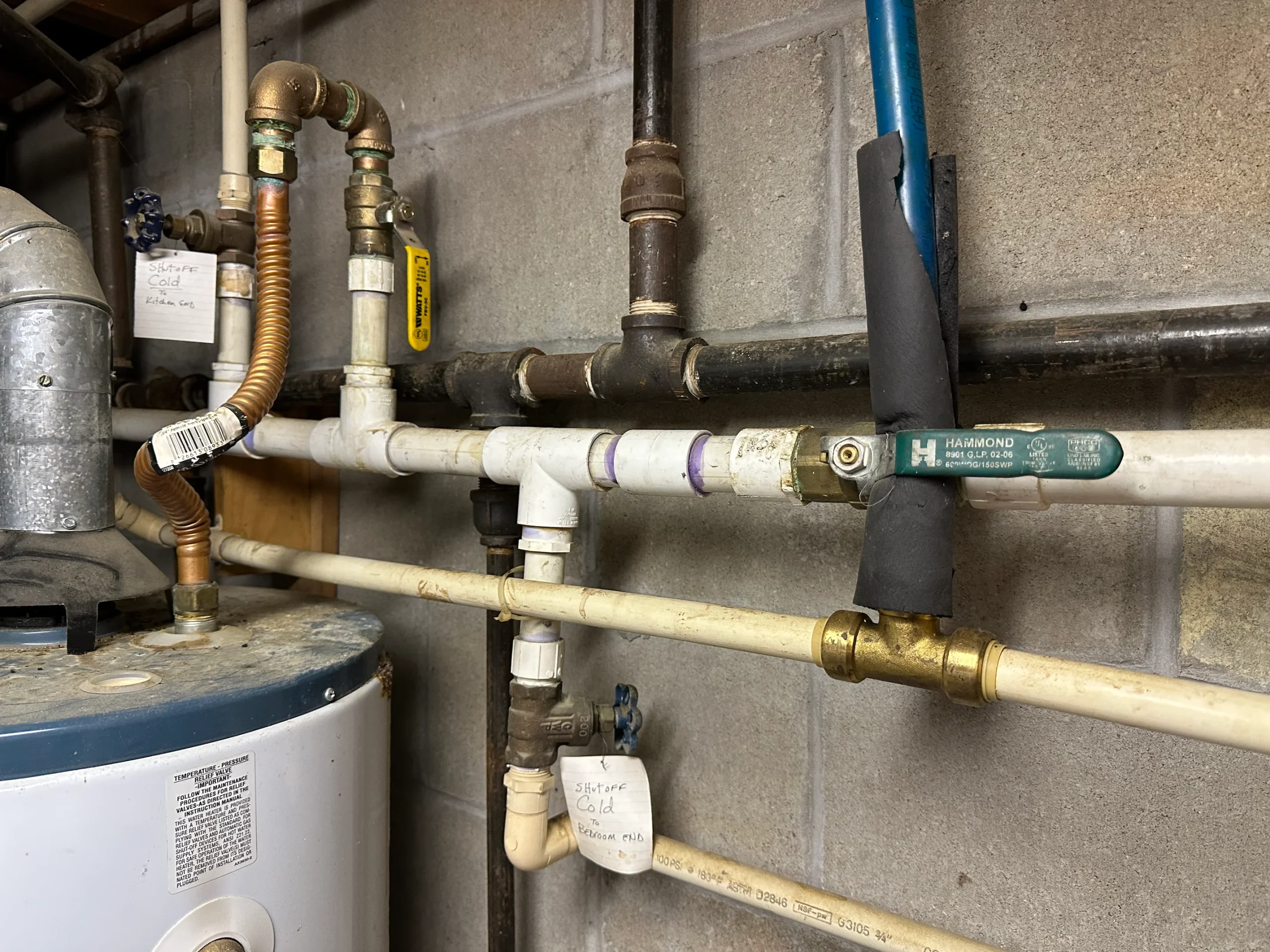
Corrosion inside your building’s pipes is a natural part of aging for galvanized steel systems. This corrosion restricts the inner diameter of the pipe, leading to chronically low pressure and occasional discoloration. You might notice that your sink takes longer to fill than it used to, or that the water occasionally runs brown after the building has been vacant for a period. Proactive plumbing upgrades are often the only way to permanently resolve the issues caused by decades of internal pipe degradation. While these upgrades are expensive and invasive, they significantly increase the value of the property and reduce the risk of catastrophic pipe failure and subsequent water damage. Homeowners and co-op boards should include plumbing inspections in their long-term maintenance plans to catch these issues before they become emergencies.
The Threat of Hidden Lead Service Lines
Lead remains a serious concern for buildings constructed before the mid-twentieth century. While modern water treatment includes corrosion inhibitors to prevent lead from leaching into the supply, physical disturbances or pipe replacements can compromise this protection. If your building has a lead service line, it is essential to monitor for any changes in water transparency or metallic taste, though lead itself is often undetectable by human senses alone. Many cities now offer programs to help property owners identify and replace these outdated connections more affordably, and the EPA continues to push for more aggressive replacement timelines. If you are concerned, certified laboratory testing is the only way to confirm the presence of lead in your drinking water and to determine if your current filtration system is adequate for the task.
How Construction Impacts Local Clarity
Utility work and nearby construction can send strong vibrations through the ground, disturbing settled sediment in the street mains. This can lead to temporary bouts of cloudy or brown water for an entire block. Usually, these events are short-lived and clear up once the work stops for the day. If you notice discoloration following the start of a local construction project, the best course of action is to avoid using hot water to prevent sediment from entering your water heater. Running your cold water for 10-15 minutes once the nearby work is completed will typically clear out any sediment that was drawn into your building’s system during the disturbance. If the problem persists for more than 24 hours after the construction work has ceased, it may be a sign of a more serious break in the line that needs municipal attention.
Water Hardness and Its Effects
Water hardness refers to the concentration of dissolved minerals like calcium and magnesium. While most urban water in this region is considered ‘soft,’ certain zip codes that rely on local wells rather than mountain reservoirs can experience much higher hardness. Hard water can lead to mineral buildup on your faucets and inside your appliances, reducing their lifespan. It can also make it more difficult to get a good lather with soap or shampoo. If you notice white, chalky spots on your glassware after washing, you may have hard water. Point-of-use water softeners are an effective way to manage these mineral levels and protect your high-end appliances from the long-term effects of scale accumulation, ensuring they continue to run efficiently for years to come.
Understanding The Complex Distribution Network
Once it enters the city limits, water is distributed through a complex grid of primary mains and smaller service lines. This network is under constant pressure from local pumping stations to ensure that even top-floor apartments receive adequate flow. However, pressure can fluctuate heavily based on community usage patterns, such as during morning and evening rush hours when thousands of residents are using water simultaneously. If you notice a sudden drop while a construction project is active nearby, it’s likely a temporary distribution disruption caused by utility work on the primary street lines. These fluctuations are not just a nuisance but can also impact the performance of modern appliances like dishwashers and high-efficiency showerheads that require a consistent minimum psi to operate effectively according to manufacturer specifications.
The Importance of Clean Aerators
Sometimes the simplest fix is the most effective. Faucet aerators are small screens that can easily become clogged with mineral scale or sediment from the pipes. If you have low water pressure at just one sink, try unscrewing the aerator at the end of the faucet. Cleaning out the trapped debris often restores full flow immediately and is a great first step in troubleshooting any localized plumbing issue. This routine maintenance is a key part of managing your home’s water quality without needing a professional plumber. In areas with particularly hard water or old pipes, you might find that you need to clean these screens every few months to keep your fixtures performing at their best and to ensure that no micro-particles are affecting the taste of your drinking water.
The Maintenance of Roof Water Tanks
High-rise buildings often rely on rooftop storage tanks to maintain pressure for upper units. These wooden or steel vessels must be inspected and cleaned annually to prevent sediment buildup and bio-growth, according to local health codes. If you live on a top floor and experience musty odors or lukewarm water during the summer, the roof tank might need immediate service. Regular maintenance involves scrubbing the interior walls and checking for structural integrity to ensure the water remains fresh as it gravity-feeds down to your apartment. Without this routine care, the top-tier residents may notice a decline in water quality that is not felt by those living on the lower levels, where water is often drawn directly from the street pressure without being stored in the roof-mounted reservoir.
Comparing New and Old Infrastructure
The experience of tap water in a brand-new luxury development can be vastly different from that in a century-old brownstone. Newer buildings use modern materials like copper or cross-linked polyethylene (PEX) for their internal distribution, which are resistant to corrosion and do not impart metallic flavors to the water. Conversely, older buildings may still have a mix of original lead, brass, and galvanized steel components that have been in place for over fifty years. These legacy materials contribute to the unique ‘character’ of water in different neighborhoods. Knowing the history of your building’s plumbing can provide valuable context for managing your expectations and determining if additional point-of-use filtration is necessary for your specific needs, as well as helping you prioritize future home improvement projects that involve the water supply. Condominium water testing in NYC involves the same building-specific questions that Fort Lee condo boards should consider, including which pipe materials are present and which substances a sample should be checked for.
Conclusion
Navigating the complexities of urban water quality doesn’t have to be a mystery. By understanding the path water takes from the mountains to your tap, and identifying where city responsibility ends and building responsibility begins, you can take control of your household’s health and comfort. Whether you are dealing with seasonal taste changes, pressure fluctuations, or concerns about lead service lines, being an informed resident is the first step toward a better tap experience. If you have any further questions or need specific advice on your building’s infrastructure, feel free to contact our team at Tap Truth. We are here to help you understand your water basics and resolve any persistent plumbing issues.